Keeping Your Dog Safe, Cool & Hydrated
Last updated: July 2026
St. Pete is gorgeous for dog outings almost year-round — but Florida heat and humidity are no joke. A few simple habits go a long way toward keeping your pup safe at the park, beach, or trail.
⚠️ Know the signs of overheating
Heavy panting, drooling, bright red gums or tongue, stumbling, vomiting, or collapse are signs of heatstroke — a real emergency. Move your dog to shade or AC immediately, offer water (don't force it), and head straight to the nearest emergency vet. See our Pet Emergencies section for 24/7 hospitals near St. Pete.
☀️ Beating the Heat
- Aim for early morning or evening outings — Florida's midday sun (roughly 11am–4pm) is the hardest on dogs, especially in summer.
- Test the pavement or sand with the back of your hand for 5 seconds. If it's too hot for you to hold comfortably, it's too hot for paw pads.
- Offer shade breaks every 15-20 minutes of active play, even if your dog seems fine.
- Flat-faced breeds (bulldogs, pugs), senior dogs, puppies, and overweight dogs overheat faster — watch them extra closely.
- Never leave a dog in a parked car, even briefly, even with windows cracked. Car interiors can reach dangerous temperatures within minutes.
💧 Staying Hydrated
- Bring more water than you think you'll need — dogs lose fluids fast when panting in heat and humidity.
- Offer water every 15-20 minutes during activity, not just when your dog seems thirsty.
- Saltwater at the beach isn't a substitute — it can actually cause stomach upset if swallowed. Bring fresh water even for beach trips.
- A collapsible bowl takes almost no space and makes water breaks much easier to offer on the go.
🎒 What to Bring: Dog Park
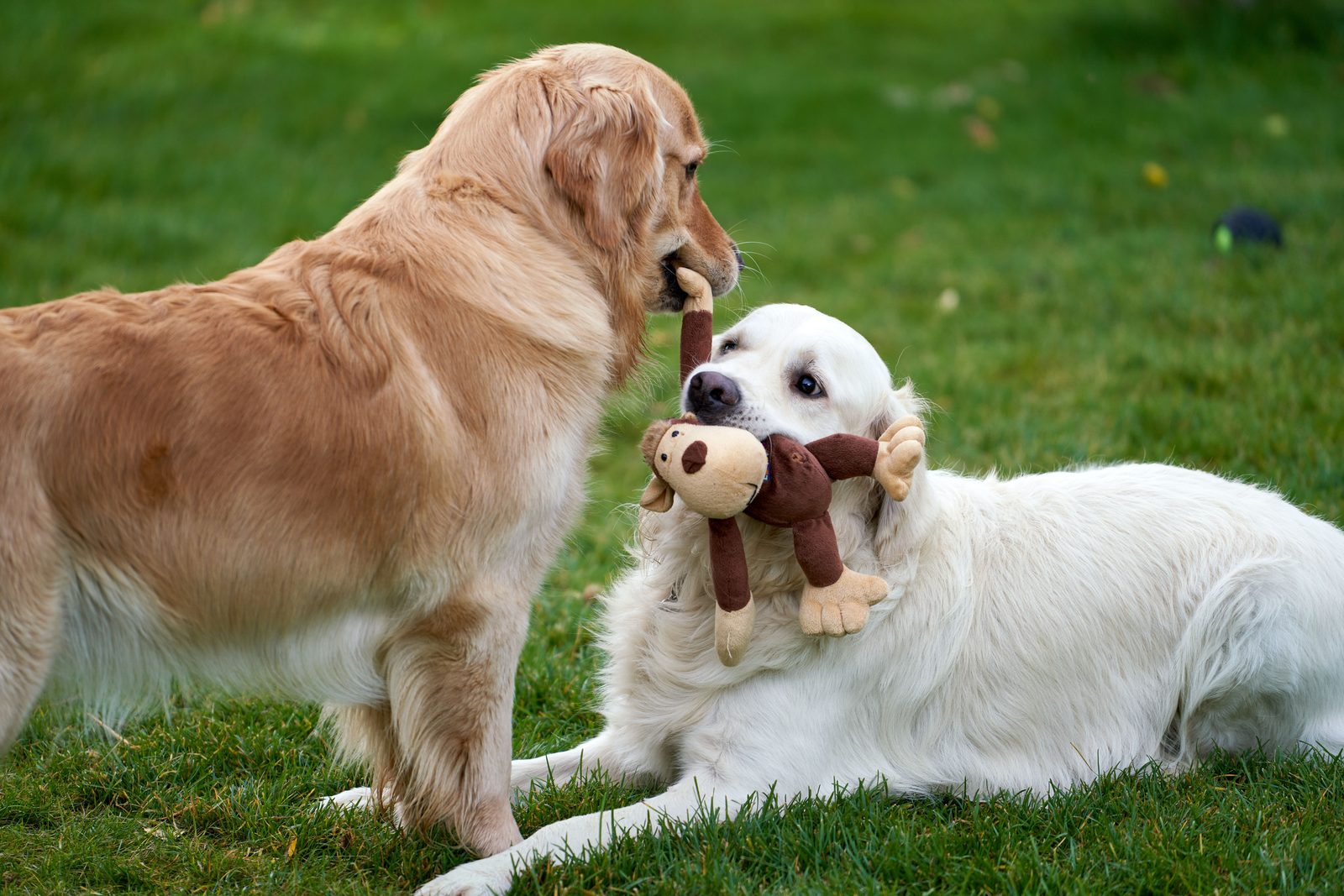
Dog Park Checklist
Leash (required even at off-leash parks, for entry/exit)
Collar with ID tags & proof of vaccination if asked
Water & a collapsible bowl
Poop bags (bring extra — dispensers can run out)
Towel for muddy paws afterward
Treats for recall practice
A favorite toy for playtime with new friends
🏖️ What to Bring: Dog Beach
Beach Checklist
Fresh water (don't rely on the ocean)
Dog-safe sunscreen for thin-furred or light-colored dogs
Towel & freshwater rinse for after (sand and salt can irritate skin)
A floating toy or dog life vest for strong swimmers venturing out
Shade (umbrella or pop-up canopy) — sand offers zero natural shade
Leash for arrival/departure through non-designated areas
🥾 What to Bring: Hiking a Trail
Trail Checklist
Leash (required on nearly all St. Pete-area trails)
Water for both of you — trails often have no water access
Tick & flea prevention — wooded trails carry real risk
Basic first aid (gauze, tweezers for splinters or ticks)
Awareness of local wildlife — some trails (like Lake Maggiore) have resident alligators; keep dogs away from water's edge
Phone charged, in case you need directions or help
This page is general guidance, not veterinary advice. If your dog shows signs of heatstroke, dehydration, or injury, contact a veterinarian immediately — see our Pet Emergencies section for 24/7 help near St. Pete.